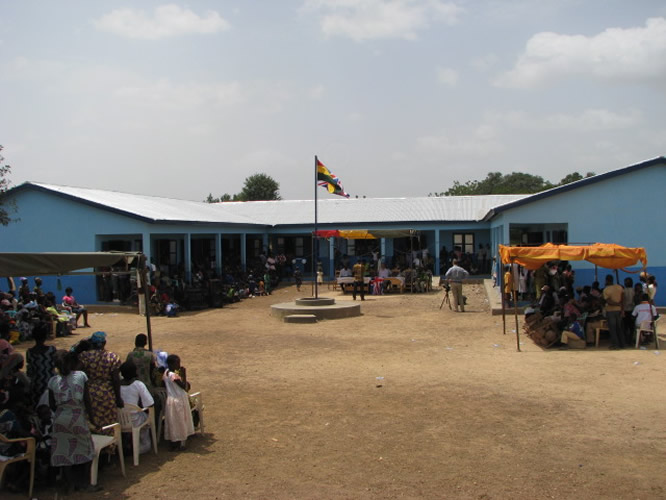
When we began our work over twenty years ago, for many children living in these remote villages of northern Ghana attending school each day was only a dream. Even those who were privileged to go to school had to walk for hours each day.
Our aim has always been to ensure that every child in the Lawra district has access to a school within walking distance – allowing them to have a quality education, learn to read and write, and break out of the cycle of subsistence farming which traps many people in this area.
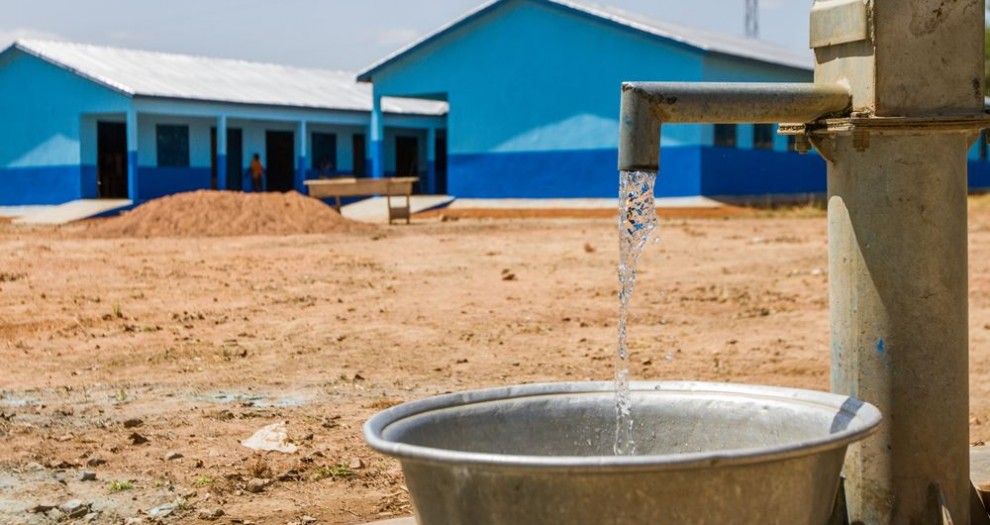
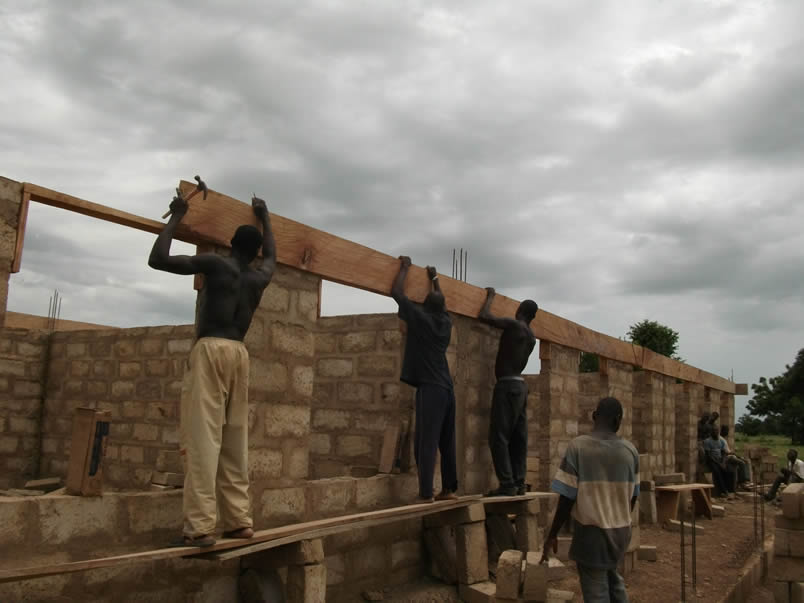
Local involvement is at the heart of how our schools are built. They are built on land donated by the community and constructed by local people, using local materials. The whole village is in no doubt that the school belongs to them. A borehole, funded by the Trust, provides clean water for the school and is also available for the villagers to use.
We begin by building a primary school, followed by a Junior High School (secondary school). Alongside the main school buildings, each school has a separate nursery. This allows the older children to concentrate on their studies without having to care for their younger siblings.
Once the buildings are completed, the school is handed over to the Ghana Education Service, which funds the ongoing cost of teachers and resources.
Photo Diary
The photos below show the different stages of the school building process. Click on an image to enlarge.
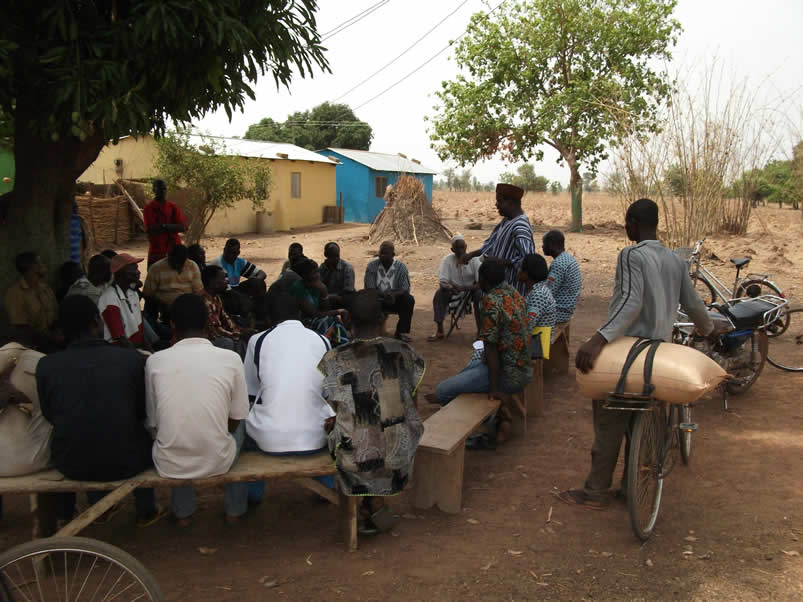
An important first step – a community meeting with villagers to encourage involvement and ownership
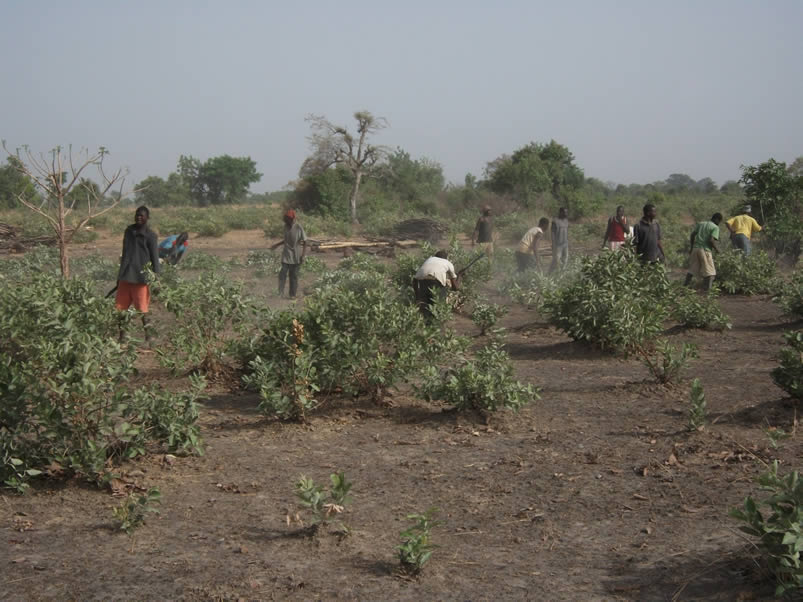
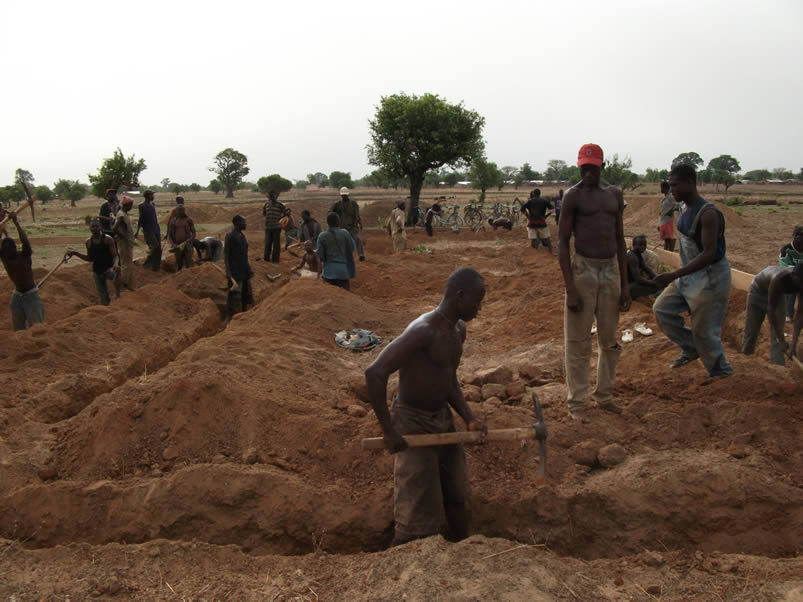
Before any construction begins, the ground is cleared by village work teams using machetes and spades
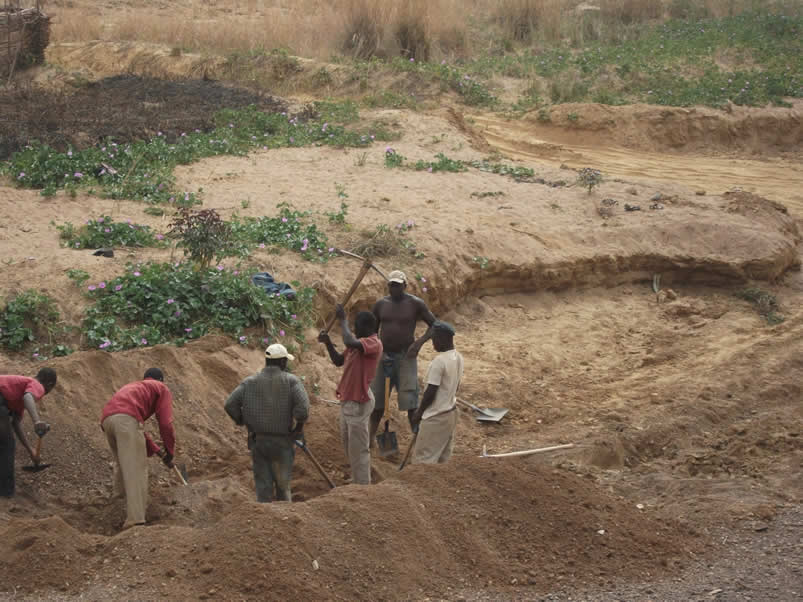
Sand is dug from the dry river bed – river deposits are the only source of sand for building in this remote region
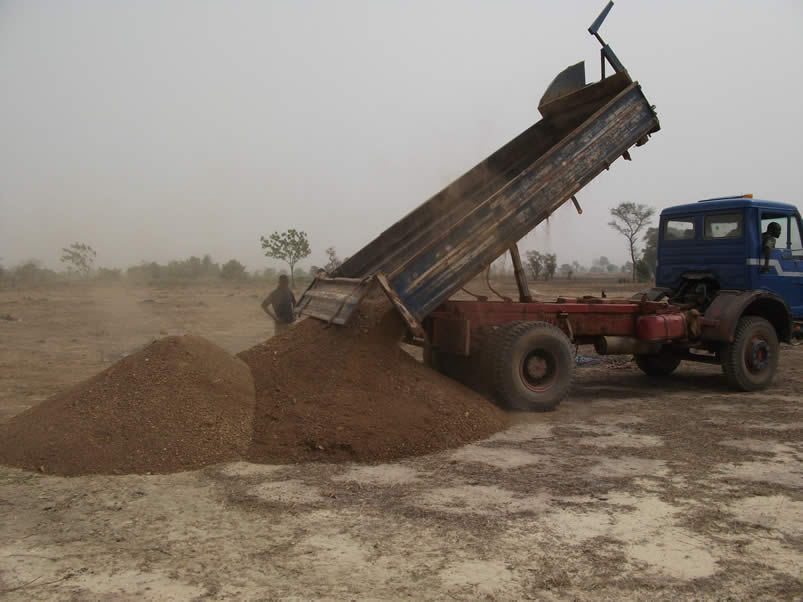
Delivery of sand to school site – tonnes of sand start to pile up ready for the construction of blocks
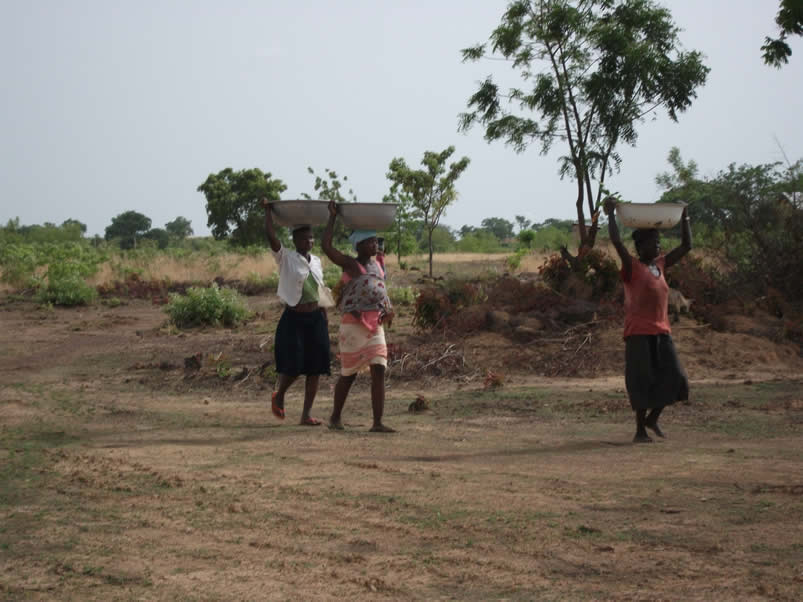
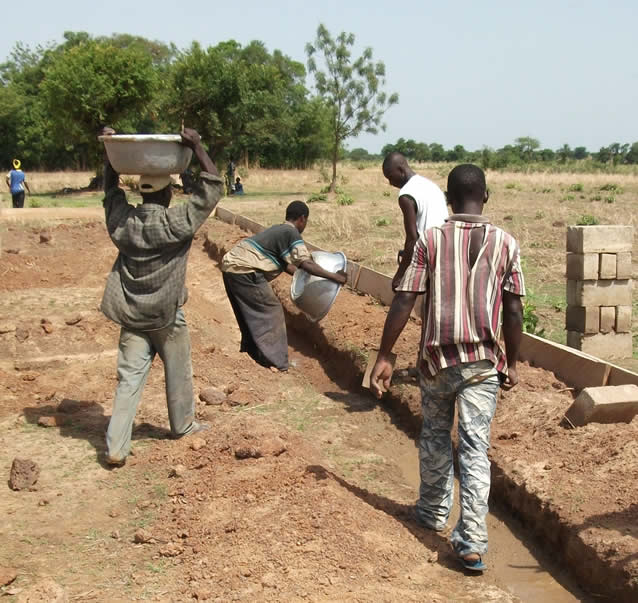
Water is crucial for building; here, it is carried to the site by women from the village
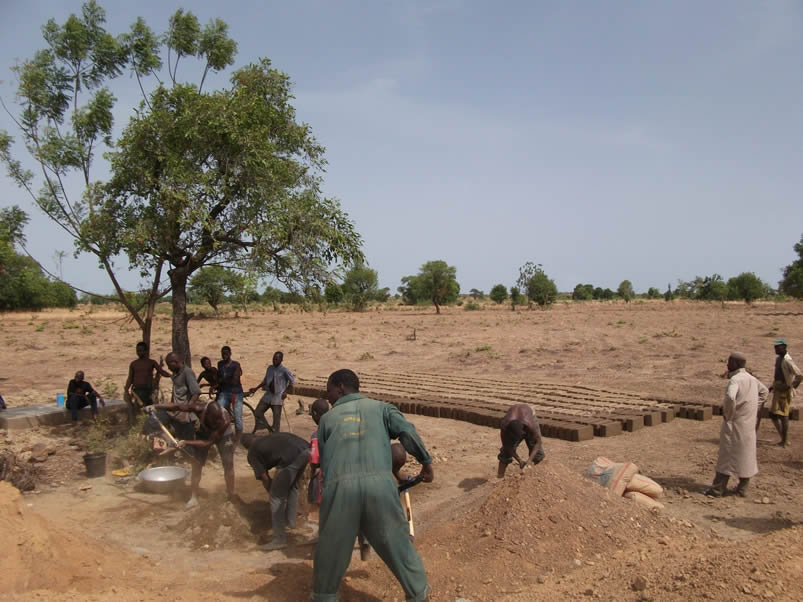
And now the strenuous manual task of mixing cement by hand begins…
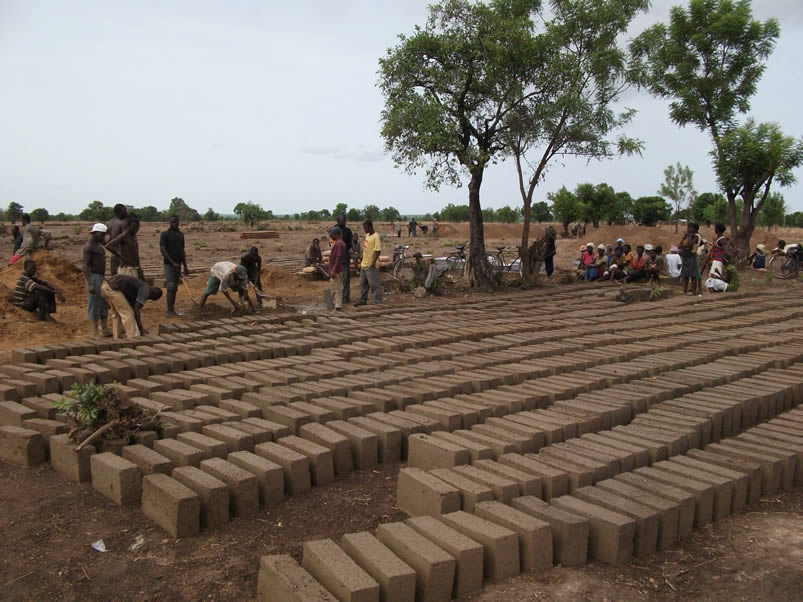
Blocks are all made by hand, and laid out in rows to dry under the savannah sun
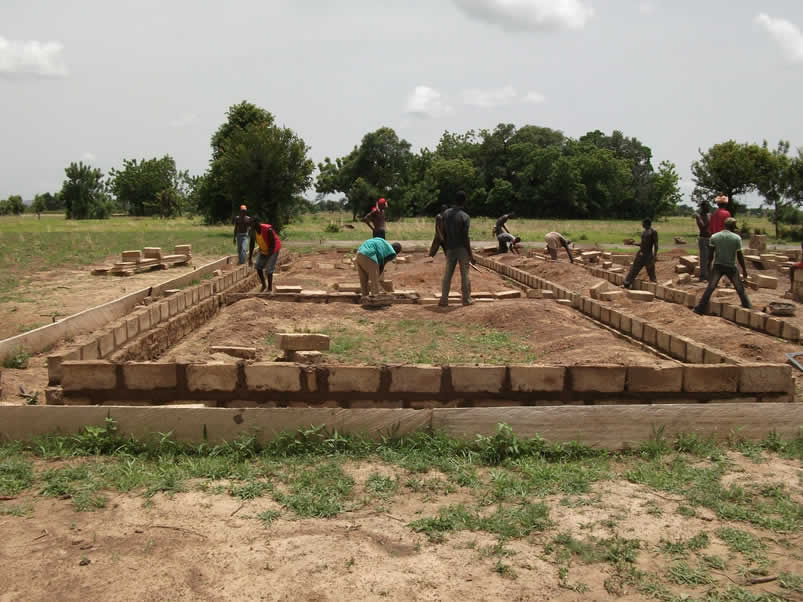
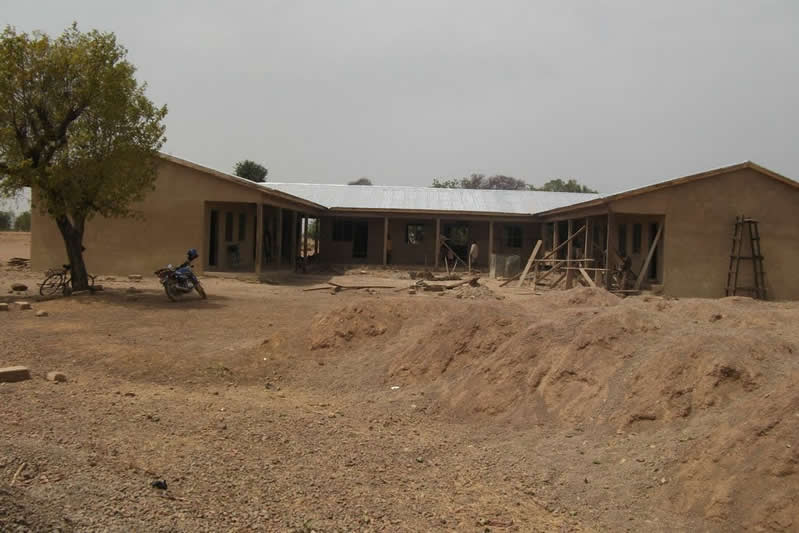
Next the foundations are dug and the shape of the school starts to become clear
Filling foundations with concrete
The school begins to rise as the first blocks are put in place
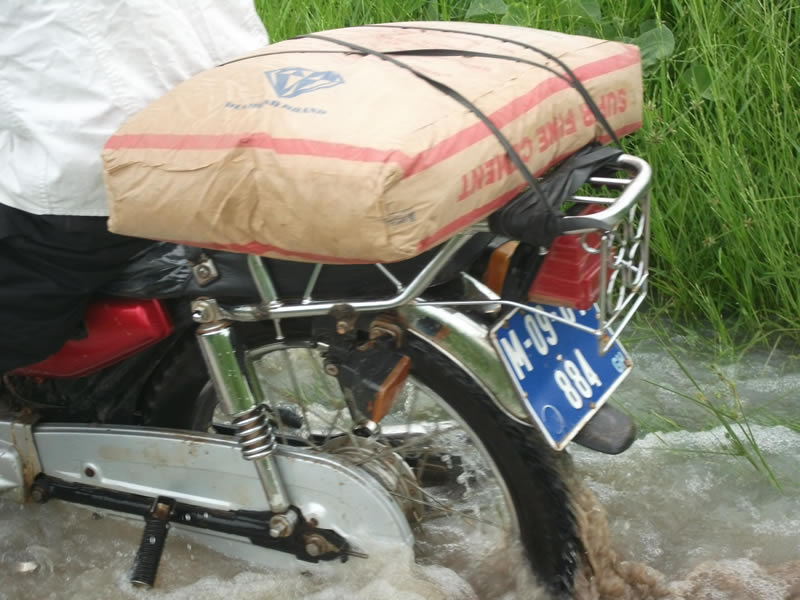
Transporting cement during the wet season!
Soon the walls begin to take shape – and villagers know that their school will soon be a reality
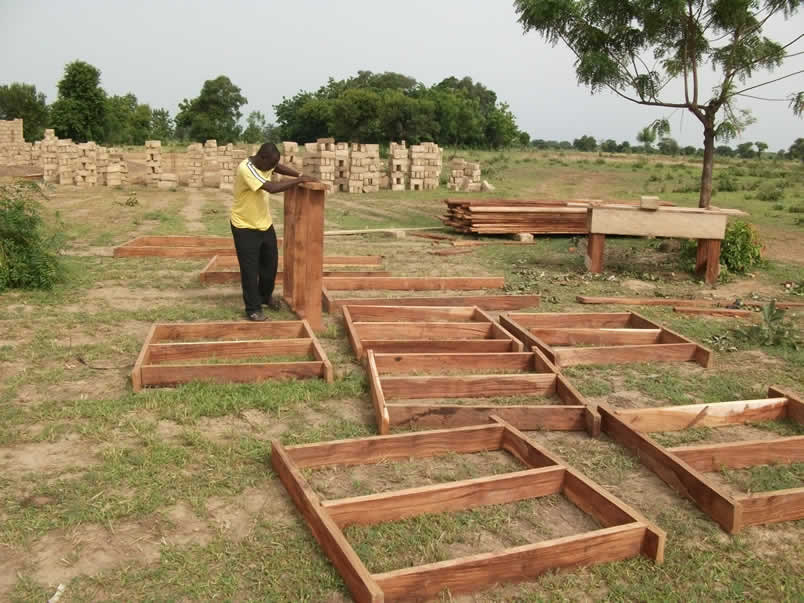
The timber for these window frames has to be collected from Techniman, over 350 miles away!
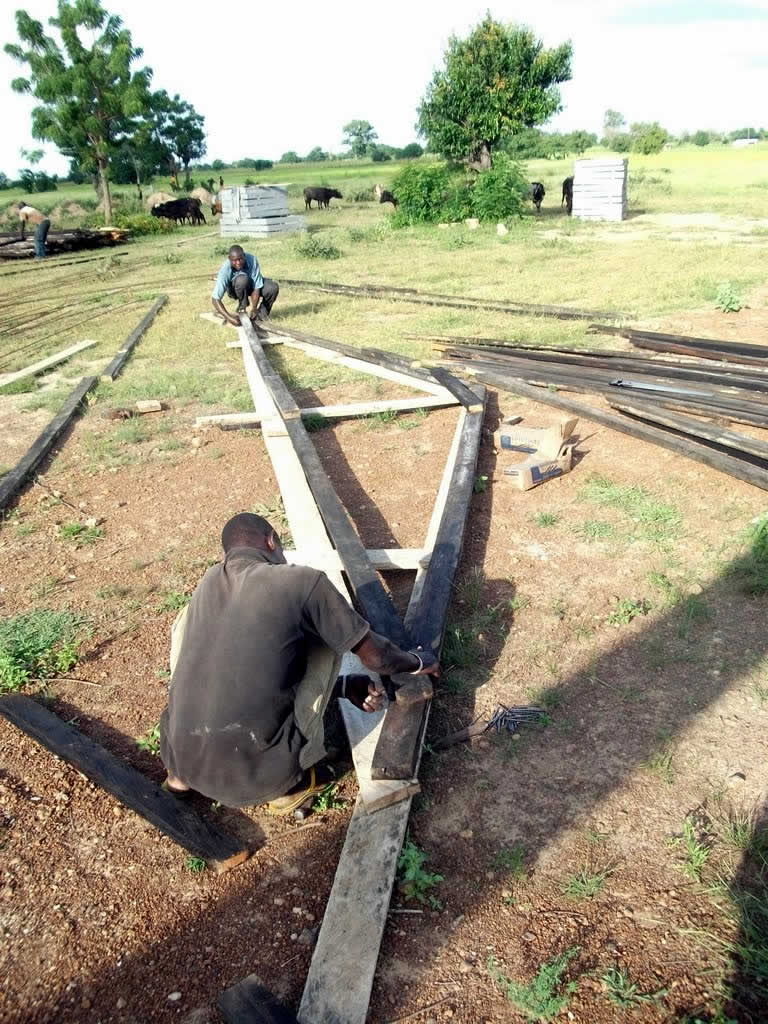
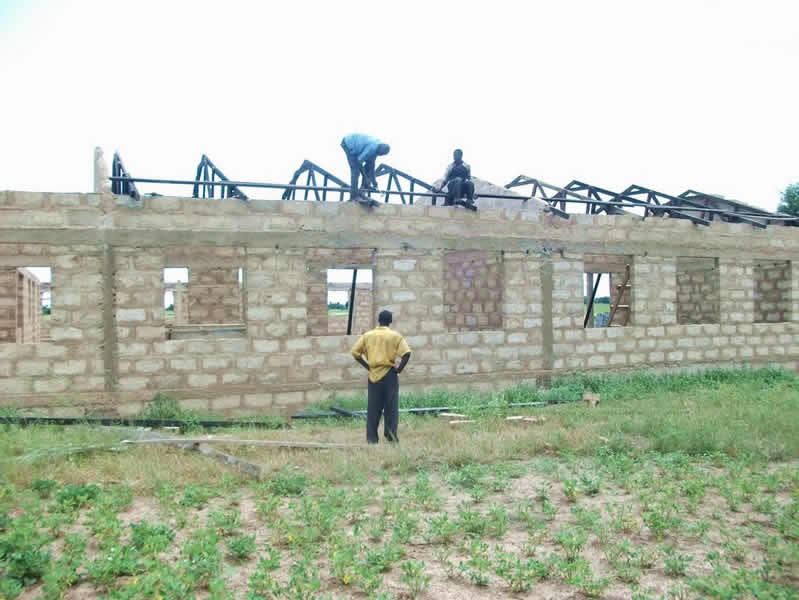
Assembling roof timbers
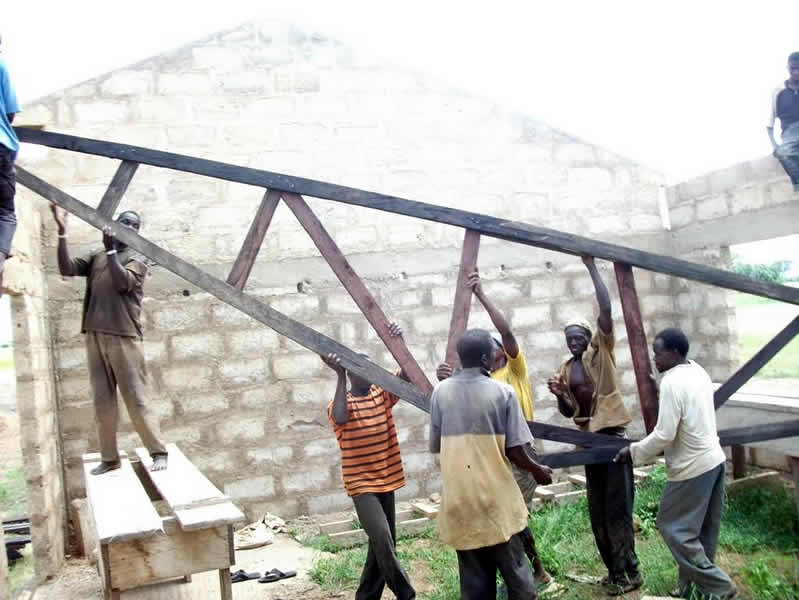
Lifting roof timbers into place
Watching the roof take shape
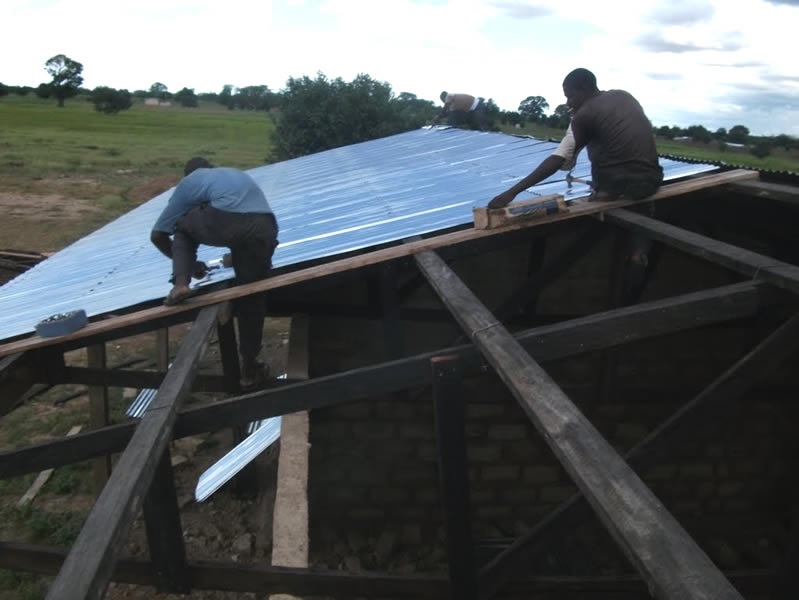
Fixing the roof sheeting to the timbers
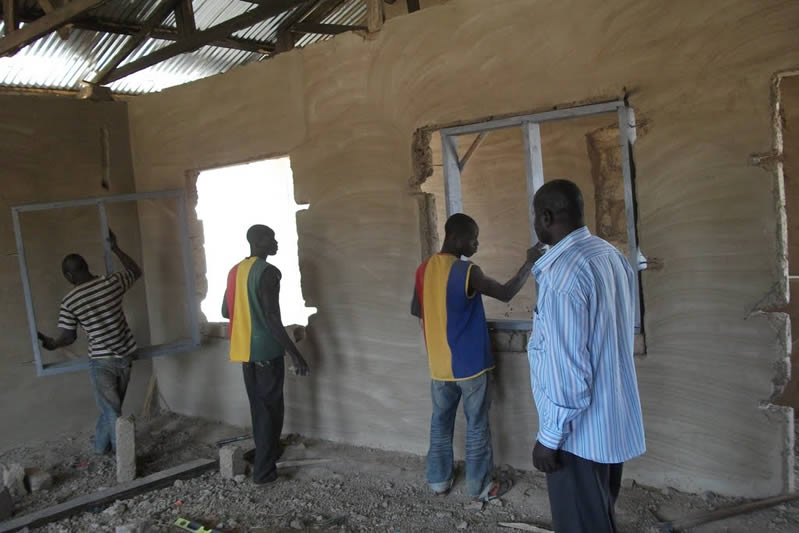
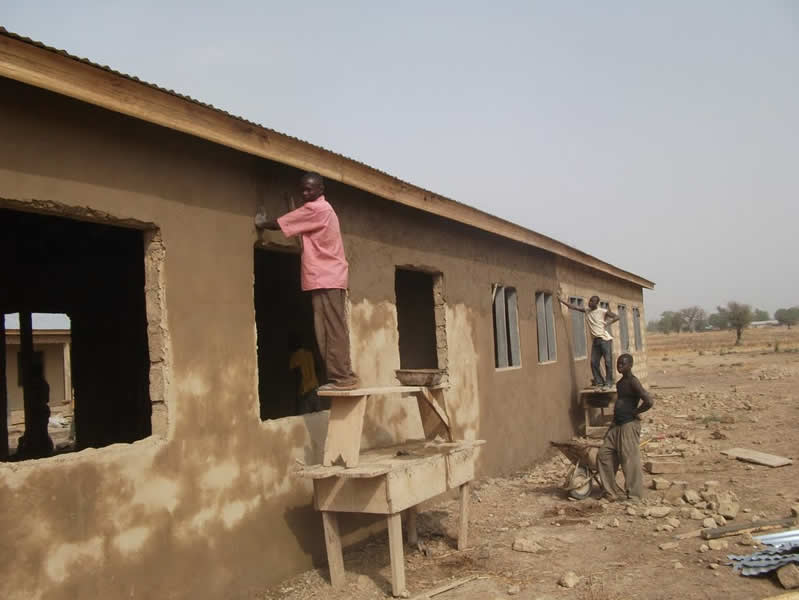
Internal and external window frames are added in and the walls made good
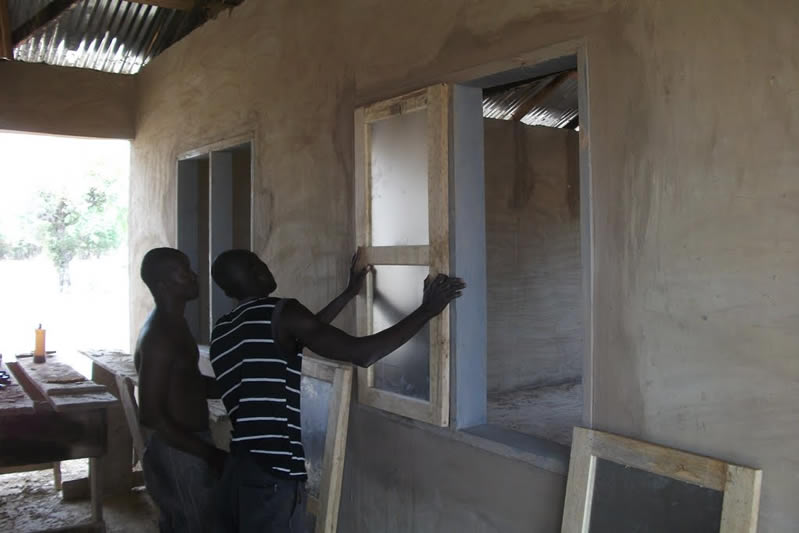
Fitting windows to their frames
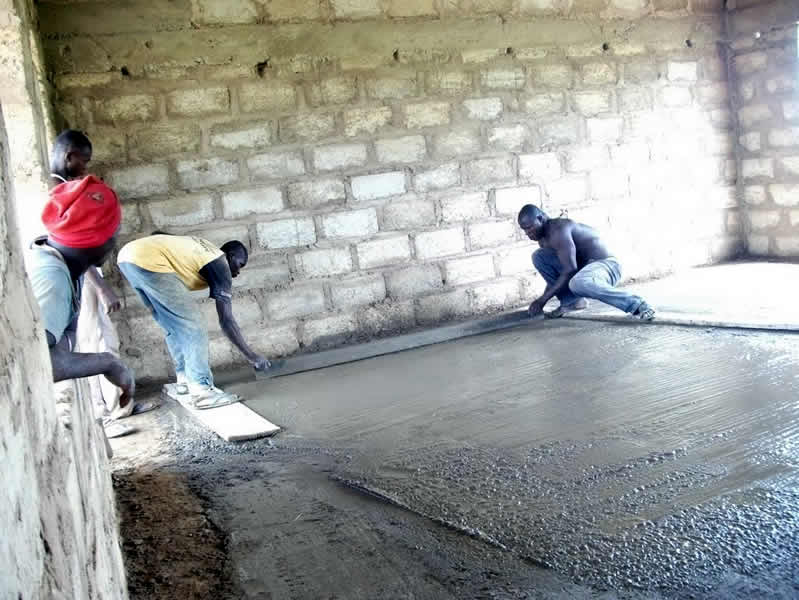
Screeding the floor inside one of the classrooms
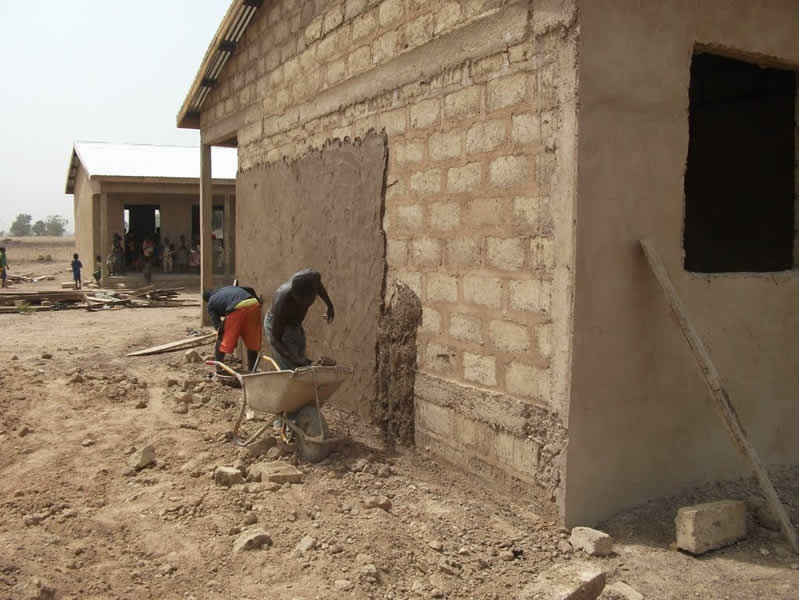
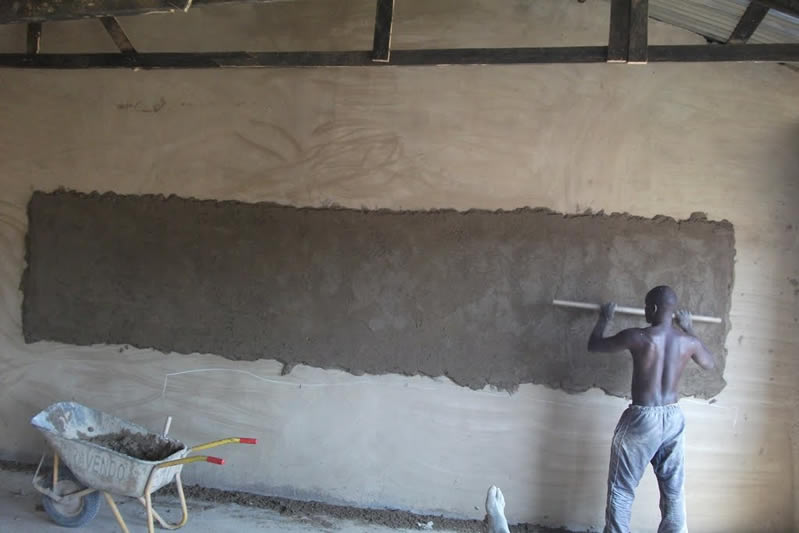
And rendering the external blockwork
Not long before the walls will be ready for painting now
One of the most important parts of all… preparing the blackboard!
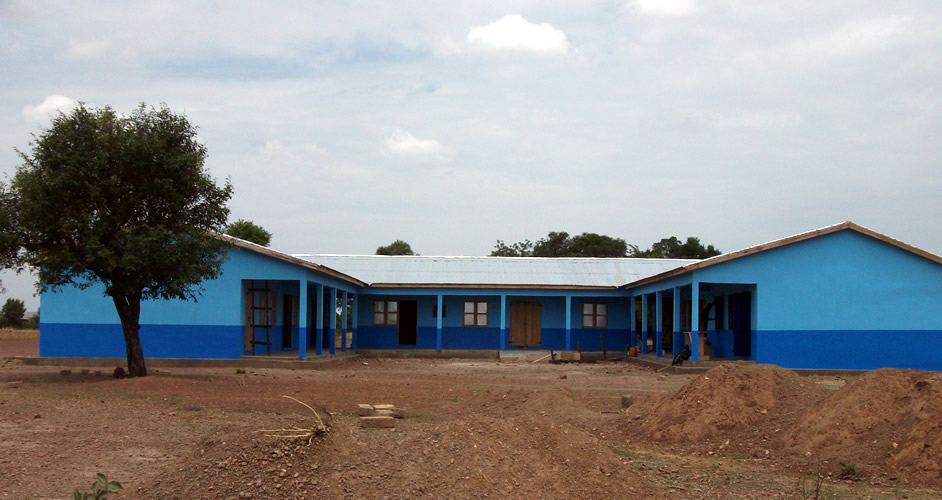
It’s beginning to look like a Savannah school!
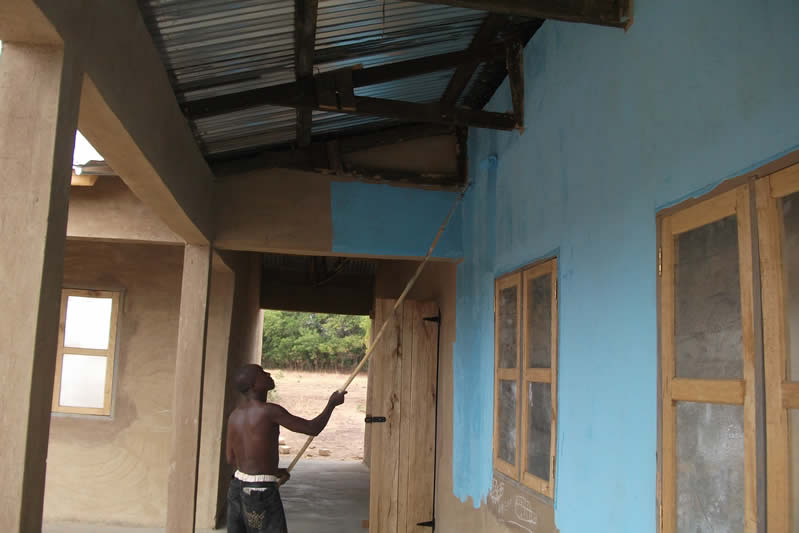
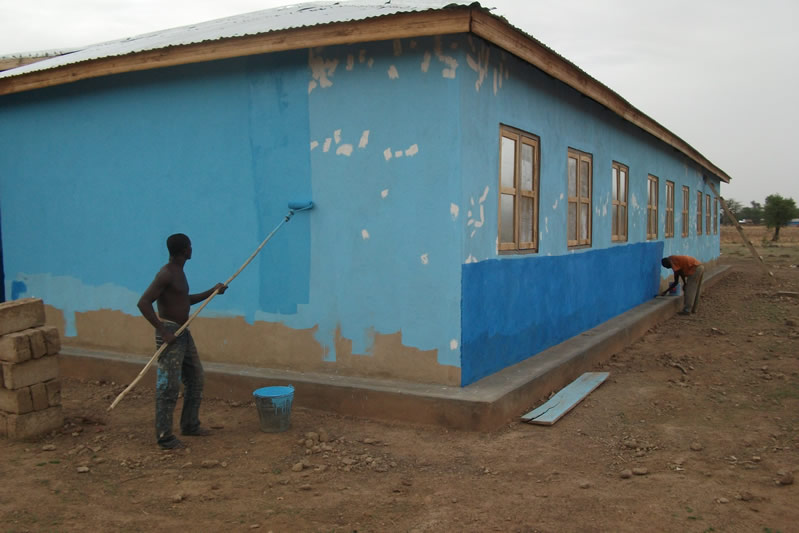
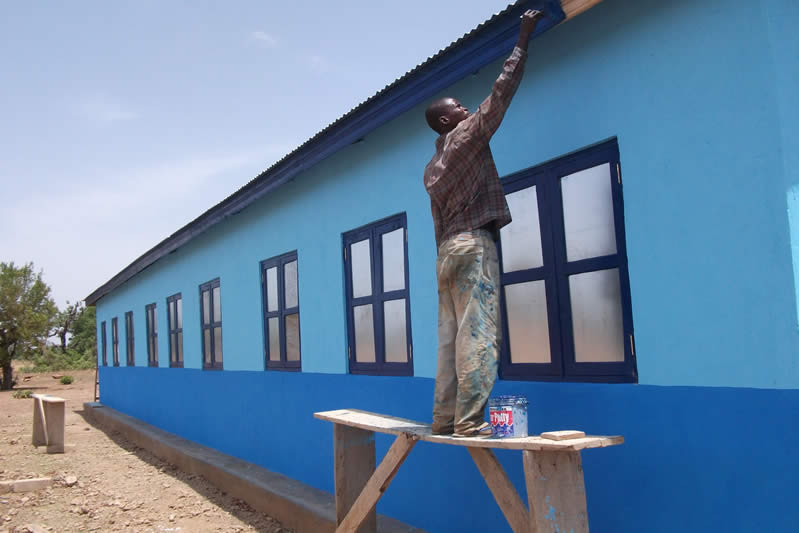
The painting begins, using the distinctive Savannah two-tone blue
The schools are known locally as the ‘blue schools’
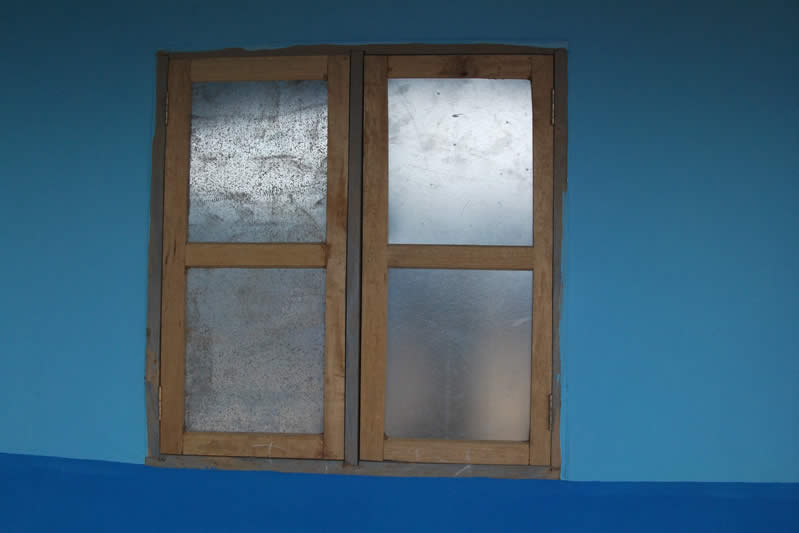
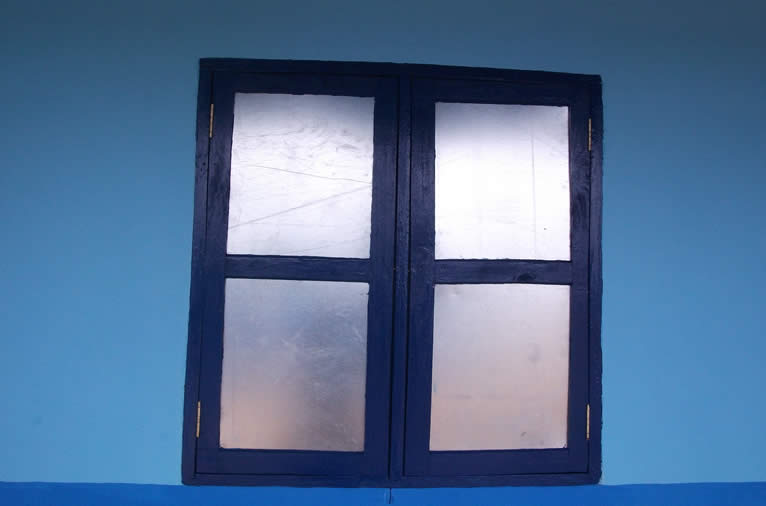
All this window needs…
…is a tidy lick of paint
Adding the finishing touches
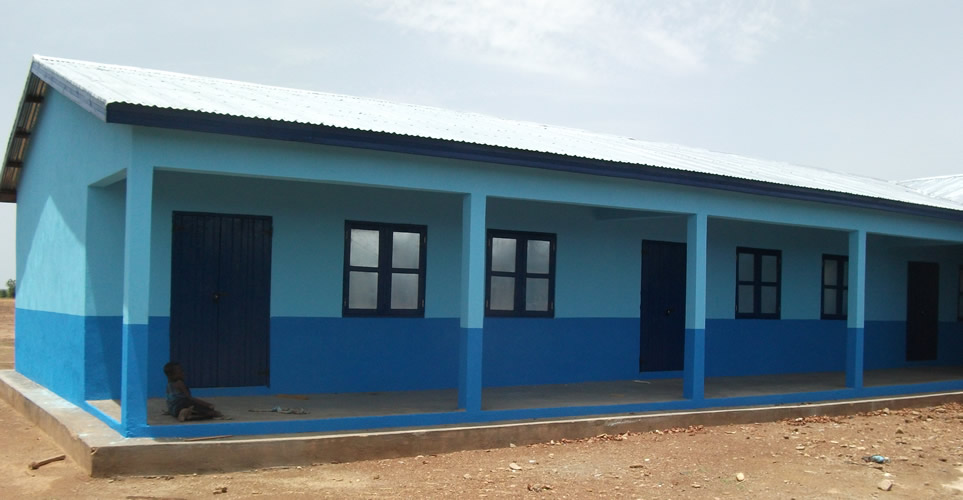
And now it really does look like a Savannah school
Perhaps he will attend classes here before long?
Finally the school is complete & the day arrives for the opening ceremony